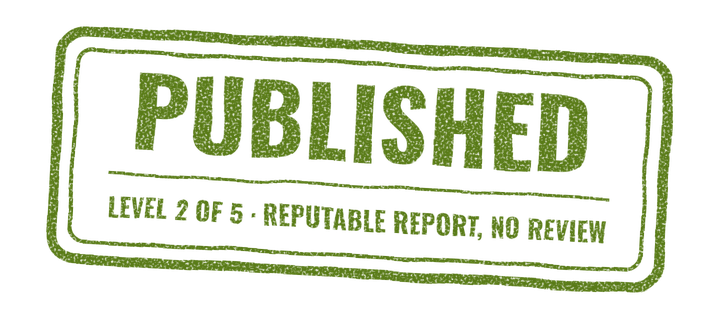
A new working paper, which has not been peer-reviewed yet, finds that access to ChatGPT helped German IT apprentices do better on familiar assignments and on harder tasks beyond their formal training. The study is a preregistered field experiment with 673 final-year apprentices at twelve vocational schools.
Researchers randomly gave some apprentices individual ChatGPT Pro accounts, while others completed the same work with no internet access, similar to a formal exam. Everyone first finished a baseline task without AI. Then they tackled one task from their apprenticeship curriculum and two tasks designed to look more like early-career software or network engineering.
AI raised productivity by about 44 percentage points on work within the curriculum, and by 26 to 31 percentage points on tasks beyond formal training, without reducing immediate understanding.
Those are large jumps in the share of points earned. The gains were often biggest on tasks that were hardest to do without help, and AI also made some apprentices more willing to attempt work they might otherwise have skipped.
What the trial looked like
The authors include Hanna Brosch, Christina Langer, Philipp Lergetporer, Sandra Mueller, Harald Pfeifer, and Nele Tschoepe, writing through the Stanford Digital Economy Lab and partners in Germany. The apprentices were in the two largest IT tracks: application development and system integration. They were 18 or older, with an average age of about 23, and most were men, which matches the makeup of these IT tracks. Sessions took place during regular school hours on preconfigured laptops, with treatment and control groups in separate rooms so they would not influence each other.
Importantly, the boost did not appear to come at the cost of understanding, at least right after the work. After each task, apprentices answered short comprehension questions without intended AI help. Scores did not fall. On several tasks, they improved. People also reported less frustration, and sometimes more enjoyment, especially on the hardest jobs.
Those who already felt more skilled at using AI tended to gain more. Ordinary differences in earlier schooling did not explain the results as clearly. The authors note that many apprentices already use AI at school or work, but few said they had been taught how to use it well.
Limits to keep in view
This is a working paper, not a peer-reviewed journal article. The comparison is AI plus internet access versus no internet at all, which may overstate the effect relative to ordinary web search without ChatGPT. Comprehension was measured immediately, not days or weeks later, so longer-term learning is still an open question.
The setting is two IT apprenticeships in Germany, during a school-day session, with no piece-rate pay. Open-ended answers were graded with the help of an AI model against teacher-reviewed rubrics; the authors checked that other grading models produced similar treatment effects. And because models change quickly, later tools might produce different results.
The study was funded by the Dieter-Schwarz Foundation and the Dr. Hans-Riegel Foundation, not by the company that makes ChatGPT. That independence is useful, even though the paper still awaits formal peer review and careful, independent replication in other trades as well.
Looking ahead for apprentices and harder work
For early-career workers, the people-first question is whether AI only speeds up work they already know, or also opens doors to work they have not been trained to do. In this experiment, it did both, without an immediate drop in understanding.
That is a hopeful sign for middle-skilled workers, not a claim that apprentices can skip formal training. You can read the paper from the Stanford Digital Economy Lab. Teachers still need to decide how much of that help belongs in class, and how exams should change if AI can already supply some of the answers. The authors note that skills for using AI well are learnable, yet few apprentices said they had been taught those skills at school.
If later studies find the same pattern on the job, and over a longer stretch of time, AI could help more people take on a wider set of tasks as they start their careers.