A new working paper, which has not been peer-reviewed yet, finds that an AI chatbot helped more Dallas County households file their own property-tax appeals. The gain was smaller for less-advantaged households, so the tool may widen existing gaps even as it helps more people overall.
Researchers Justin E. Holz, Ricardo Perez-Truglia, Andrew Simon, and Alejandro Zentner ran a preregistered field experiment with 645 households. Everyone got a website with personalized information, filing instructions, and evidence they could use in an appeal. Half were also given a chatbot, built with Anthropic’s Claude, that could answer questions about their own situation.
Chatbot access raised the chance of filing an appeal without a human agent by 9.1 percentage points, from 41.4% to 50.5%. Take-up was high: 78% started a conversation.
That is a clear average effect. The harder finding is about who benefited most.
Who gained, and who gained less
The authors report that the increase in filing was smaller among less-advantaged households, including those with less education, lower-valued properties, and minority status. They describe this as suggestive evidence that universal access to the chatbot may exacerbate existing inequities, rather than close them.
That matters in Dallas County, where property taxes are a major bill and appeals are free to file. Past work by some of the same researchers has shown that many successful protests save money, and that lower-valued homes and some minority homeowners have historically been less likely to appeal.
The chatbot did not appear to change how often people hired a paid agent. It mainly moved more households to file on their own. Clickstream and chat logs suggest the bot helped people exercise judgment: decide whether to appeal, and which comparable sales to use.
The study invited thousands of households by postcard shortly before the filing deadline and excluded people who had already hired a professional. The 645 who joined were likely already thinking about a protest, so the results describe this motivated group, not every homeowner in the county.
Why this matters for people
For a household staring at a tax notice, the people-first hope is simple: a free helper that answers your questions and gives you the confidence to file. In this experiment, that helper did raise self-filed appeals.
But if the boost is weaker for the households that have historically been least likely to appeal, a well-meaning tool can still leave the gap in place, or even widen it.
Limits to keep in view
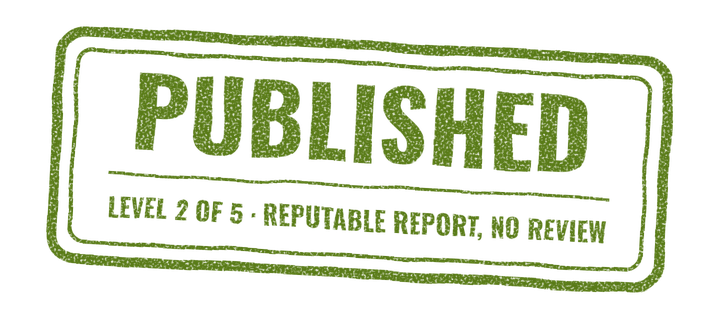
This is a working paper, not a peer-reviewed journal article. The disparity finding is important and should be stated clearly, but the authors themselves treat parts of the subgroup evidence as suggestive. The experiment also could not stop control-group households from using other AI tools on their own, so the contrast is this specialized chatbot versus a useful website, not versus a world with no AI at all.
The sample is one county, one filing season, and one invitation list. Results may differ elsewhere, or with a chatbot designed more carefully for less-advantaged users. Engagement with the bot was only slightly lower in groups that historically file fewer appeals, which makes the weaker filing effect more striking: many people talked to the helper, but not all groups were equally moved to file.
Looking ahead for AI property tax appeals
A chatbot can make it easier to challenge a property-tax bill, and in Dallas County it did help more people file on their own. It also helped less-advantaged households less, a caveat that belongs in any honest account of the result.
Any later tool should be judged not only by how many extra appeals it creates, but also by which households actually go on to file them in the end.
You can read the paper as NBER Working Paper 35632. A higher average appeal rate is still good news for many households. It is not, by itself, a complete answer to fairness.
If later systems are designed to close that gap, not just raise the average, more families, including those who have been least likely to appeal, might actually get the savings they are owed.